Overwhelmed by a Home Renovation? Here’s How to Manage the Chaos and Make Confident Decisions

Introduction: Renovating Your Home Shouldn’t Feel Like a Full-Time Job
Home renovations are exciting—until they’re not. The process of transforming your space can quickly spiral into a mountain of decisions: paint colors, cabinet styles, flooring types, lighting fixtures, layout changes, and more. Add budget concerns and timelines into the mix, and it’s easy to feel completely overwhelmed.
If you’re in the middle of a renovation (or just starting), this guide will help you prioritize your decisions, reduce stress, and regain control of the process—without second-guessing every choice you make.
1. Accept That You Can’t Decide Everything at Once
Many homeowners feel pressure to make every decision up front. The truth is: you don’t have to. Trying to finalize tile, furniture, fixtures, and finishes before framing begins is a recipe for burnout.
✅ Tip: Break decisions into phases
Phase 1: Structural/layout, major systems (plumbing, electrical, HVAC)
Phase 2: Cabinetry, countertops, built-ins
Phase 3: Fixtures, hardware, lighting, paint, finishes
Focus only on what’s required for the current phase of construction.
2. Use Mood Boards and Visual Aids
Decision paralysis often comes from trying to visualize too many design elements at once. Using a digital or physical mood board helps you narrow your aesthetic and coordinate materials before final selections.
✅ Try tools like:
Pinterest (great for gathering inspiration)
Canva (for simple, drag-and-drop mood boards)
Houzz (for idea books and contractor collaboration)
3. Set Non-Negotiables Early
Before diving into every little option, identify your top 3-5 must-haves. These may be:
A soaking tub
Quartz countertops
An open-concept kitchen
Wood floors
Knowing your non-negotiables gives you a compass when the decision-making gets tough—and keeps your budget and design aligned.
4. Delegate Where You Can
You don’t have to do it all alone. Hire professionals, or lean on your contractor or designer to filter options and present you with the best choices instead of every option available.
✅ Delegate decisions like:
Baseboard size/style
Lighting placement
Tile grout color
Cabinet hardware layout
The fewer micro-decisions you need to make, the more mental energy you’ll have for the big ones.
5. Use Templates and Decision Checklists
Creating a decision tracker or checklist can bring order to the chaos. Track what’s been decided, what’s pending, and what’s urgent. This keeps your contractor, designer, and suppliers on the same page.
✅ Must-have checklist categories:
Structural (layout, walls, doors)
Systems (HVAC, plumbing, electrical)
Surfaces (flooring, tile, paint)
Fixtures (plumbing fixtures, lighting, appliances)
Details (hardware, trim, shelving)
6. Know When to Pause
If you're feeling frustrated, scattered, or exhausted by too many options—take a break. Even a day away from design talk can bring clarity and help you return to the table with renewed focus.
“The goal isn’t perfection—it’s progress.” Keep the big picture in mind.
7. Work With a Renovation Partner You Trust
The best remedy for decision fatigue? A contractor or project manager who can guide the process, anticipate your needs, and help you make informed decisions without added stress.
✅ Ask your contractor to:
Provide decision deadlines by phase
Narrow selections based on your budget and style
Offer input when you're torn between options
Final Thoughts: Renovating Doesn’t Have to Be Overwhelming
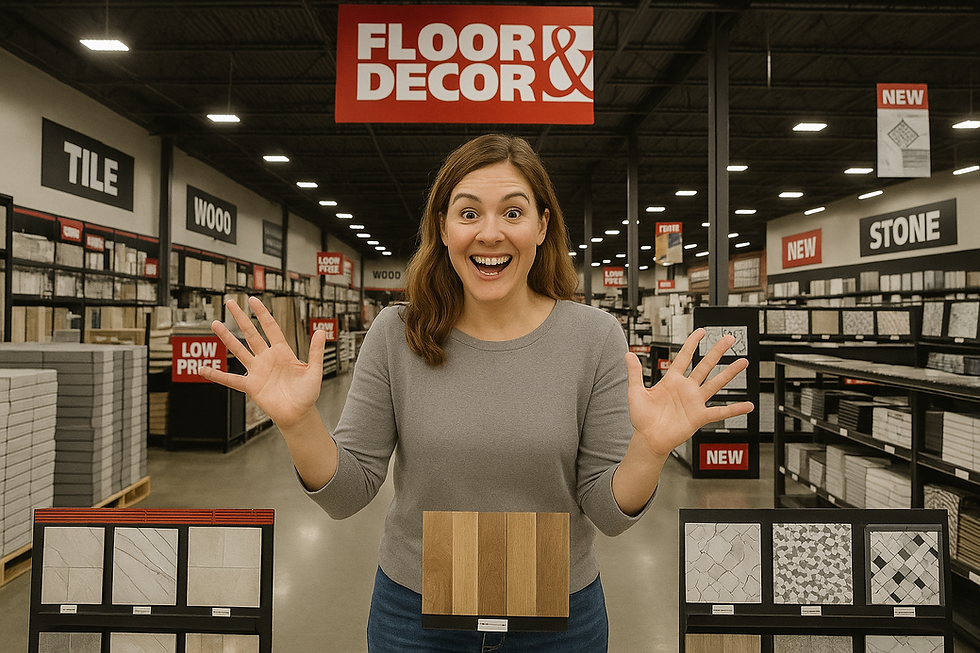
Every home renovation comes with tough decisions—but it doesn't have to feel like you’re drowning in them. By phasing your decisions, identifying your must-haves, and leaning on experts, you can take control of the process and actually enjoy creating your dream space.
Related Posts
Keywords: home renovation decision fatigue, overwhelmed by home remodel, how to manage renovation stress, home renovation project tips, remodeling planning guide, renovation decision checklist


Comments